





Cart
0
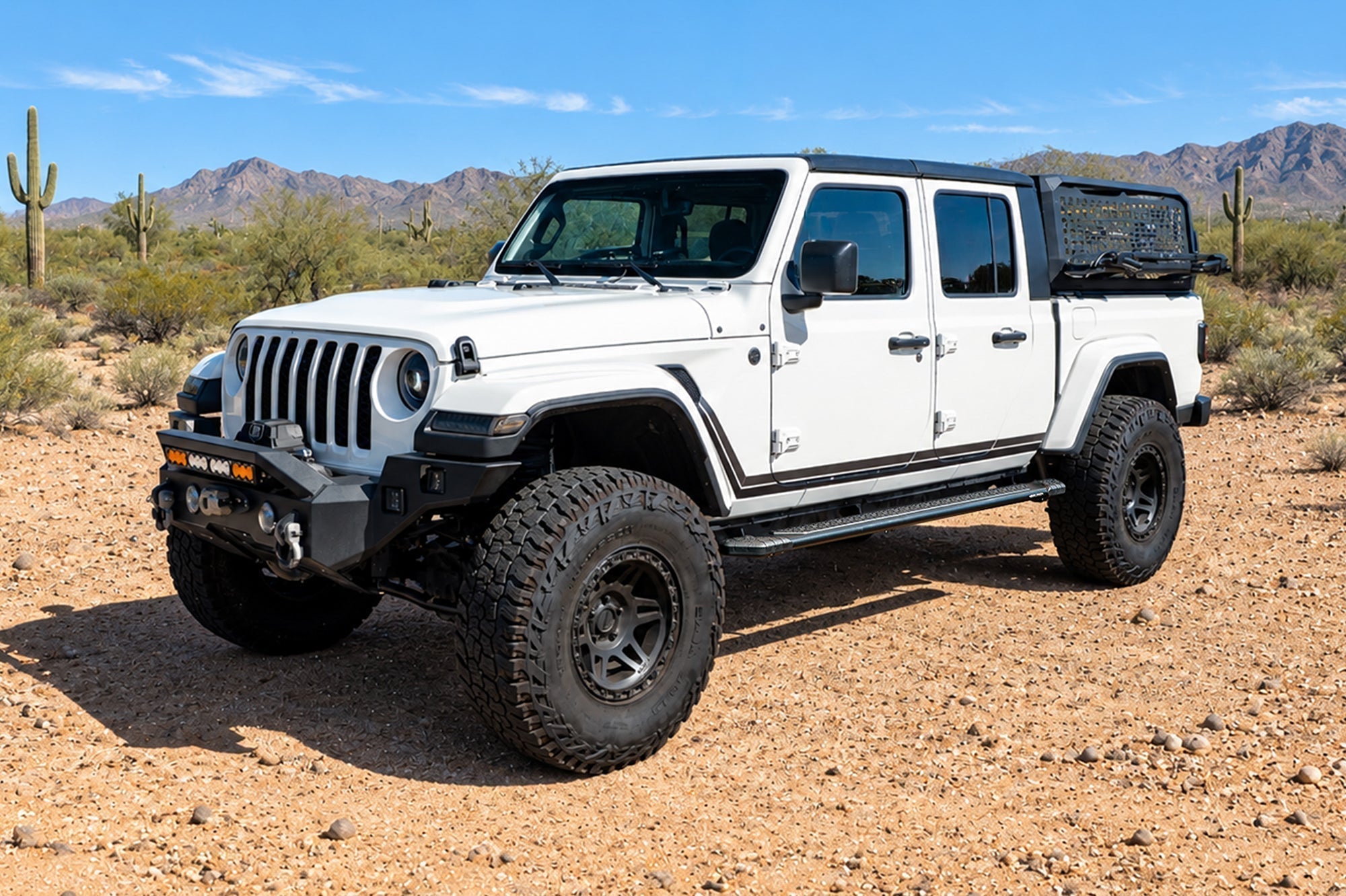
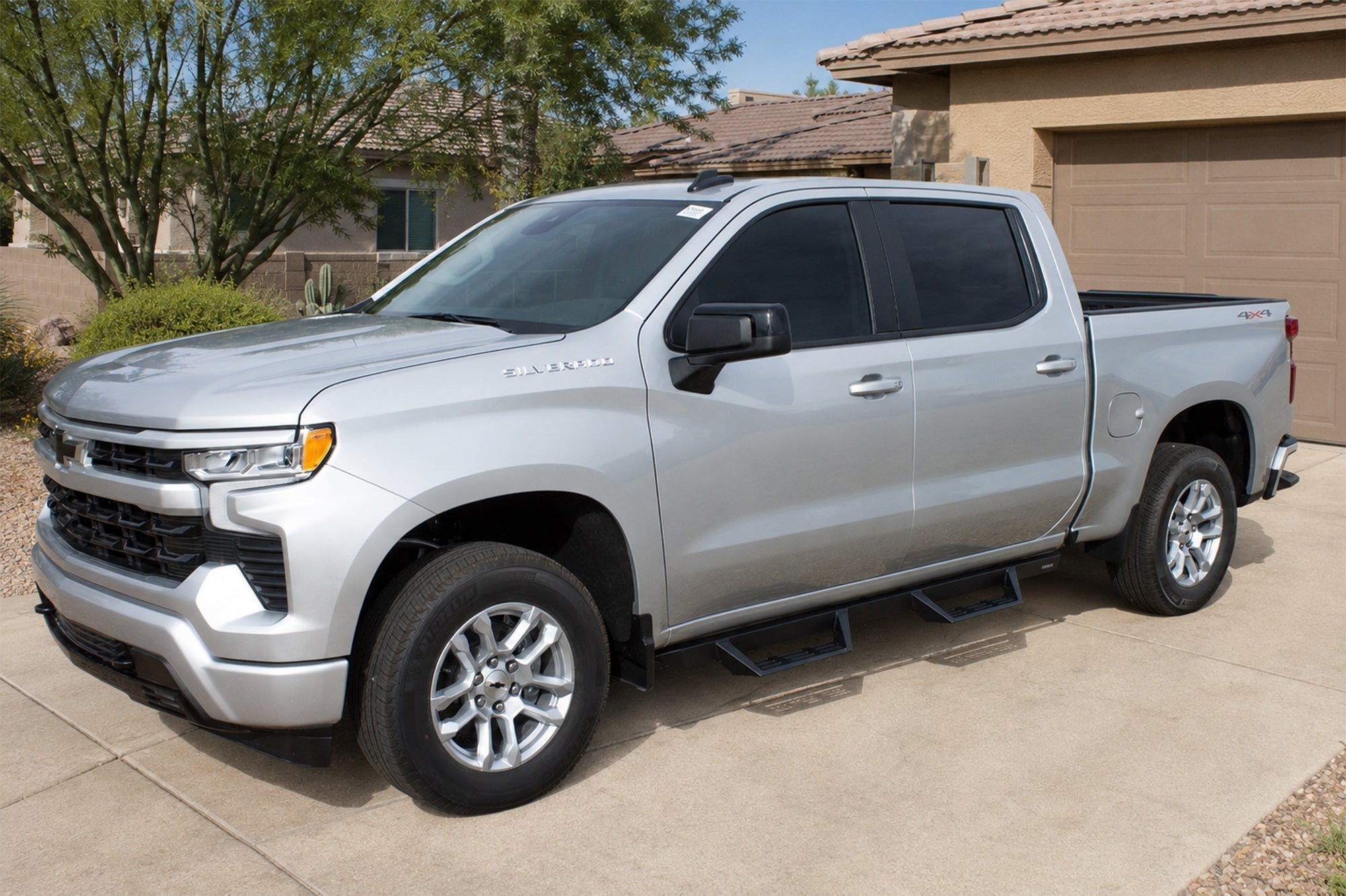
Running boards are typically chosen for easier cab access and added style, but their location along the side of your truck may offer another benefit: additional coverage from everyday road debris.
Your truck's lower body is constantly exposed to dirt, gravel, mud, water, and other material kicked up from the road. Depending on their design and placement, running boards can sit between some of that debris and the lower portion of your vehicle.
Why Rocker Panels Are So Exposed
Rocker panels run beneath the doors along the lower sides of your truck. Their proximity to the road means they can encounter everything from gravel and mud to snow, slush, and road salt.
While regular cleaning remains one of the best ways to care for these areas, adding running boards may provide another layer between portions of the lower body and everyday road conditions.

How Running Board Design Makes a Difference
Not every running board provides the same amount of coverage.
Width is one factor to consider. A wider board extends farther from the side of the vehicle, creating a larger stepping surface while potentially helping intercept some material kicked up from the road.
Length matters as well. Full-length running boards extend beneath the cab, providing a continuous step along the vehicle rather than individual stepping points.
This can be particularly useful for trucks that regularly travel on gravel roads, through job sites, or in wet and messy conditions.

Built for Everyday Use
The right running board can add more than just style to your truck. From daily driving to job sites and weekend travel, it can help make your vehicle more practical while standing up to the conditions you encounter along the way.
Raptor Series offers a variety of running board styles designed for everyday use, with options to match different trucks, needs, and preferences.
Explore the full lineup at raptorseries.com and find the right step for your vehicle.