





Cart
0
TL;DR: Thinking about lifting your vehicle? This guide breaks down how to choose the right lift kits for trucks and SUVs based on performance, budget, and terrain.
- Learn the difference between body lifts and suspension lift kits
- Discover how inch lift height impacts performance and tire size
- Understand the benefits of higher ground clearance and better suspension travel
- Get advice for Jeep lift kits, F150 lift kits, and more
- Tips on installation, legal limits, and related suspension system upgrades
Want to take your truck or SUV to the next level—literally? Lift kits are one of the most popular upgrades for off-roaders, overlanders, and anyone looking to enhance their ride’s stance, performance, and rugged appeal.
But not all truck lift kits are created equal. Choosing the right one depends on how you drive, where you drive, and what kind of performance you’re after. Whether you're installing a Jeep lift kit, leveling an F150 lift kit, or just trying to improve ground clearance, this guide will help you pick the perfect fit.
What Is a Lift Kit?
A lift kit raises the height of your vehicle’s body or suspension, giving you more room for larger tires, better off-road capability, and a more aggressive look.
There are two main types:
- Body Lifts: Raise the body off the frame using spacers. These provide extra height without changing the suspension system.
- Suspension Lift Kits: Replace or modify suspension components (shocks, struts, control arms) to increase both height and wheel travel.
If you want serious off-road performance, suspension kits are usually the way to go. They offer real improvements in function—not just style.
Benefits of a Lift Kit
A properly chosen lift kit can provide more than just a visual upgrade. It can improve your vehicle’s performance and open up new terrain.
Here’s what lift kits can offer:
- Increased Ground Clearance: Tackle rocky terrain or deep snow without scraping the underside.
- Tire Upgrades: Fit larger tires for better grip, performance, and aesthetics.
- Improved Off-Road Handling: Especially with suspension lifts, you’ll get more travel and articulation on uneven ground.
- Enhanced Visibility: Sitting higher gives you a better view of the road or trail.
Consider How You Drive
Before buying a lift kit, it’s important to think about how you use your vehicle. Are you upgrading mostly for looks, or do you need better off-road performance? Do you spend more time navigating rocky trails or cruising city streets? Consider whether this will be your daily driver or a weekend adventure rig. Also, think about whether you’ll be installing the kit yourself or relying on a professional shop. Your answers to these questions will help you determine which type of lift kit is the right fit for your lifestyle and vehicle.
Body Lifts vs. Suspension Lift Kits
Both lift options will get you extra height, but they come with different advantages.
Body Lifts
- Generally less expensive
- Simpler installation
- Does not affect ride quality or suspension geometry
- Limited to a couple of inches in height
- Good for aesthetics and tire clearance without major mods
Suspension Lift Kits
- Higher cost, but far better performance
- Improves articulation and ride height
- Increases ground clearance
- Needed for serious off-roading or rock crawling
- Includes shocks, control arms, and other key components
If you're planning to navigate rocky terrain or lift more than 2 inches, a suspension lift kit is your best bet.
How Many Inches Should You Lift?
The size of your inch lift affects everything from looks to performance to legality.
Common Lift Heights:
- 1–2 inch lift: Ideal for leveling or small tire upgrades. Great for mild off-roading.
- 3–4 inch lift: Allows for 33–35" tires. A good balance of height and driveability.
- 6 inch lift or more: Dramatic appearance, max clearance, and best for serious off-roaders. May require re-gearing or extended brake lines.
Check your local laws too—some areas restrict how high you can lift a vehicle.

Matching the Lift to Your Vehicle
Different vehicles have different suspension needs. A Jeep lift kit might come with coil spacers and track bars, while an F150 lift kit could include strut spacers, drop brackets, and sway bar extensions.
Be sure to get a kit that’s designed for your exact make, model, and year. Otherwise, you risk poor alignment, uneven wear, or even unsafe driving conditions.
Don’t Forget the Suspension System
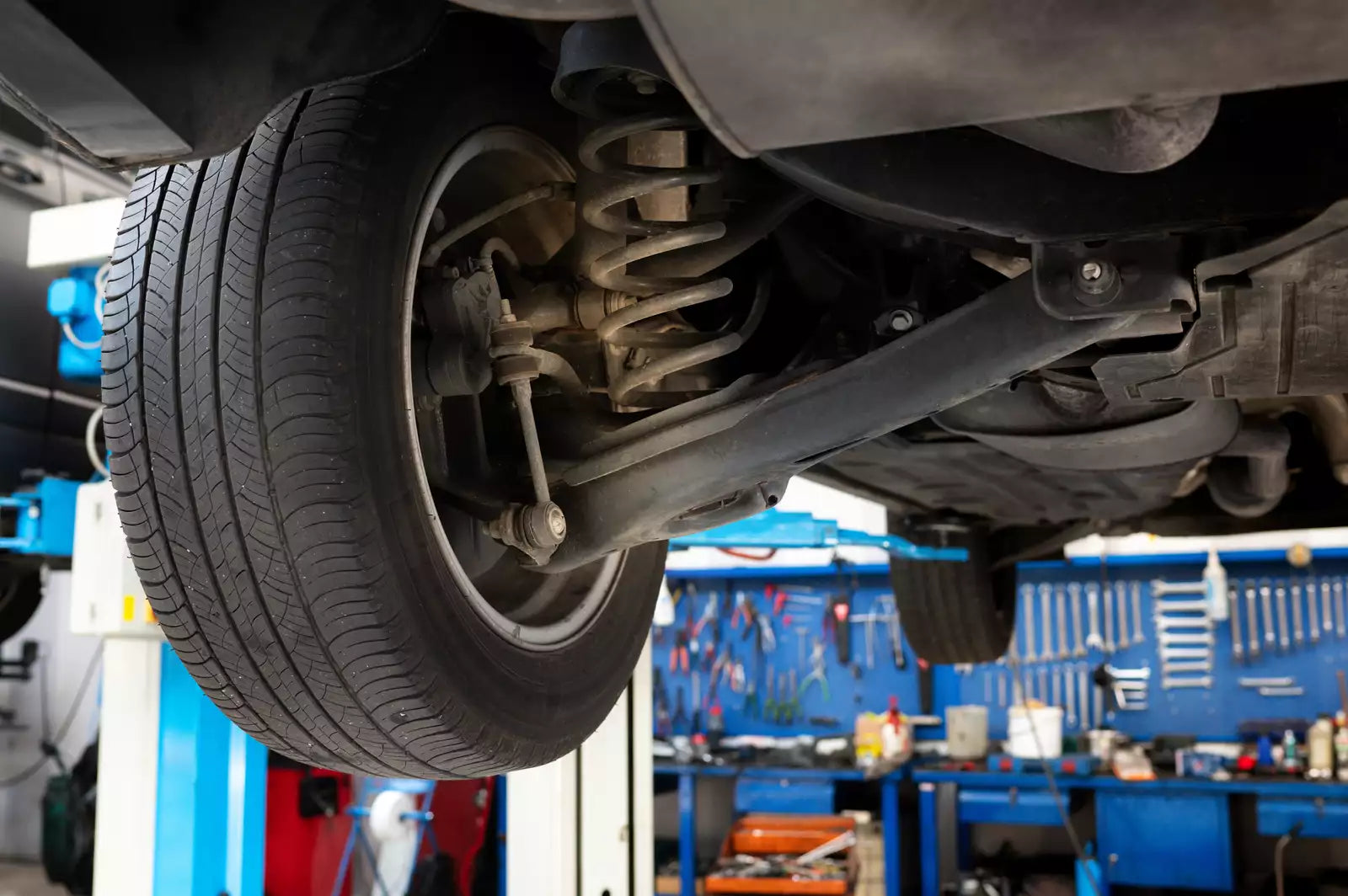
A high-quality lift kit does more than just elevate your vehicle—it also preserves the integrity of your suspension system. When choosing a suspension lift, look for kits that come with extended shocks or struts, control arms, coil springs or spacers, brake line relocation brackets, and sway bar links. These components work together to ensure your vehicle remains stable, responsive, and smooth to drive, even after it's been lifted. Skipping these essential parts can compromise both safety and ride quality, especially on uneven terrain.
Lift Kits for Trucks vs. SUVs
Lift kits for trucks are more common, but SUVs can also benefit—especially those built for adventure.
Trucks:
- More options and aftermarket support
- Built to handle heavier loads and trail abuse
- Common choices include F150 lift kits and Tacoma suspension lifts
SUVs:
- Choose kits that maintain comfort for passengers
- Great for overlanders or family-friendly off-road trips
Always confirm the suspension system is compatible with your lift height and intended use.
DIY or Professional Installation?
Installing a lift kit can be a serious job. While body lifts are fairly straightforward, most suspension lift kits require tools, alignment, and technical know-how.
Consider professional installation if:
- The kit includes steering, brake, or drivetrain components
- You're lifting over 3 inches
- You don’t have access to a garage or lift
A professional installer can also help with post-install alignment and tuning to keep your vehicle running smoothly.
Other Upgrades to Consider
A lift kit is often the first step in a full build. Once you’ve raised your rig, you might also consider:
- Tires and wheels: Bigger tires for better traction and looks
- Shocks or coilovers: Tuned suspension for comfort and performance
- Bumpers and skid plates: Protect the underside from trail damage
- Gearing: Needed for taller tires to maintain power
Final Tips for Choosing the Right Lift Kit
Before you buy, make sure you:
- Define your goals: Style, performance, or both?
- Research your vehicle: Get a kit made for your exact model
- Set a realistic budget: Consider parts and installation
- Plan ahead: Lifts often require tire, gear, or brake upgrades
Lift Your Ride with Confidence
The right lift kit transforms your truck or SUV into a capable, confident, and eye-catching machine. Whether you're cruising the freeway or crawling rocky terrain, choosing the right kit for your needs ensures the best performance and longest lifespan for your vehicle.
Whether it’s a Jeep lift kit for your off-road adventures or an F150 lift kit to make your truck stand out, there's a perfect setup for every driver. And with the right suspension system and suspension kits, you'll enjoy a smoother, more capable ride wherever the road—or trail—takes you.